
Data analysis, validation, and harmonisation of low-cost data collection methods for small-scale fisheries in the South West Indian Ocean
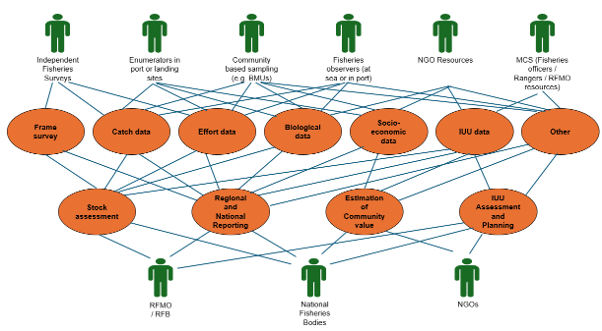
The aim of project was to evaluate five data collection systems supported by WWF in the SWIO region, while also identifying the gaps in each system and produce recommendations for harmonization. The specific task in the project were:
- Evaluate the technical performance, application and impact of WWF-supported SSF data collection systems in Mozambique, South Africa, Tanzania, Kenya and Madagascar.
- Validate the completeness, relevance, accuracy and utility of datasets generated through these systems
- Evaluate the performance of the five WWF systems to provide data aligned with the requirements of IOTC, SWIFC and the Nairobi Convention
- Review the use of other SSF data collection systems that operate in the SWIO countries, and their interoperability with the WWF systems
- Define technical and policy recommendations to align and harmonise WWF’s data collection systems with the regional policy needs and guidelines.
The methodology of this study includes the collection, review, evaluation and gap analysis of the five SSF systems. The approach consists of an evaluation of each data collection system. The information reviewed for this assessment included; data extracts, reports and relevant presentations, and stakeholder interviews
The raw data was compiled into a database, forming the basis for the gap analysis, which enabled a comparison of the scale of the systems, time and spatial coverage, and the capacity of each system to perform biological assessments (e.g. stock assessments, CPUEs).
Building on the evaluation of the data 5 data systems in the region . a literature review was conducted to identify how the systems could be data aligned with the regional data requirements of IOTC, SWIFC and the Nairobi Convention.
Alternative and complementary data collection systems operating in the region were also considered , and how they could be used in conjunction with the WWF supported systems
The final reports produced a set of technical and policy recommendation to improve the data collection and harmonisation, as well and integration with other regional systems. A database with all the data collections was also produced that could be used to show the impact of the WWF SSF projects in the region
Name of Client
WWF Mozambique
Project Dates
-
Country
South West Indian Ocean